Albania at a Crossroads: AI Promises, Political Turbulence, and Growing Public Pressure
By Suad Seferi ·
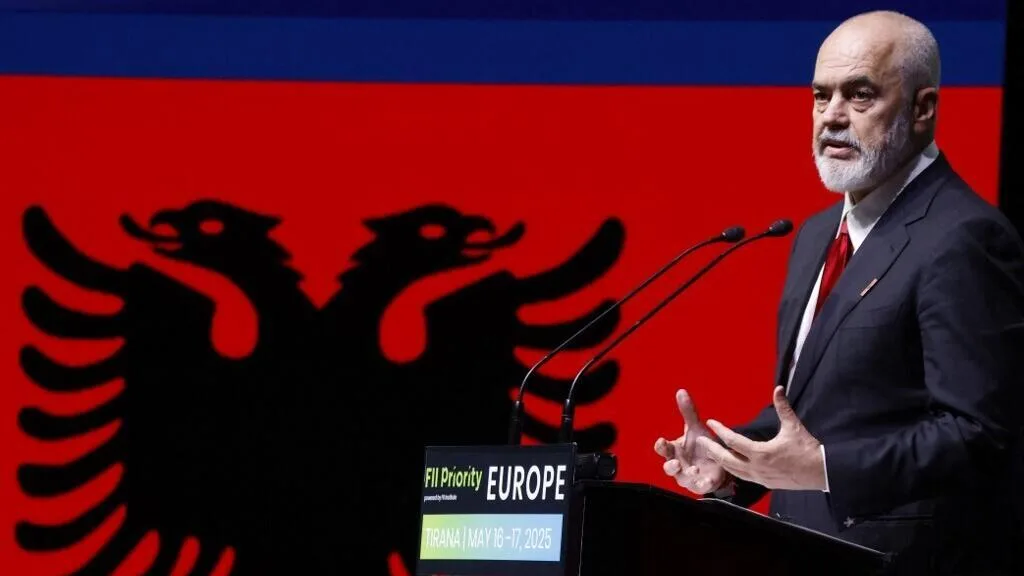
TIRANA — Albania is once again in the regional spotlight, and this time the country is being pulled in two very different directions: bold digital promises from the government and mounting political pressure in the streets. Prime Minister Edi Rama’s administration continues to present artificial intelligence as a tool for modernization and anti-corruption reform, but the public mood has become more tense as protests, corruption allegations, and institutional distrust deepen. The most unusual symbol of Albania’s tech ambitions is Diella, the AI-powered figure promoted as part of the government’s effort to make public procurement more transparent. Officials have framed the move as a leap toward cleaner administration and a more efficient state, but critics argue that the real problem is not the lack of software — it is the lack of trust in the system itself. In the Balkans, where politics and state institutions are often judged by results rather than slogans, that distinction matters. At the same time, Albania has been shaken by renewed unrest. In Tirana, protesters have taken to the streets demanding accountability over corruption scandals and challenging Rama’s government more openly than before. The latest tensions show that the political atmosphere remains fragile, with opposition pressure growing and public frustration spilling into repeated demonstrations. For Albania, the timing is sensitive. The government wants to project stability, reform, and EU-readiness, but the country is also dealing with a more skeptical public and a louder opposition. That makes the AI narrative both attractive and risky: it offers a modern image for the outside world, but at home it is being tested against the old Balkan realities of power, corruption, and street politics.