Jensen Huang Resigns as NVIDIA CEO After 33 Years
By Suad Seferi ·
Key takeaways
- Jensen Huang has resigned. NVIDIA confirmed his departure after 33 years, appointing CFO Colette Kress as interim CEO.
- An independent investigation is underway. NVIDIA is examining potential foreign intelligence concerns but has not announced evidence that company secrets were compromised.
- NVIDIA faces a critical leadership transition. Its next CEO must maintain the company's AI technology roadmap, customer relationships and strategic position.
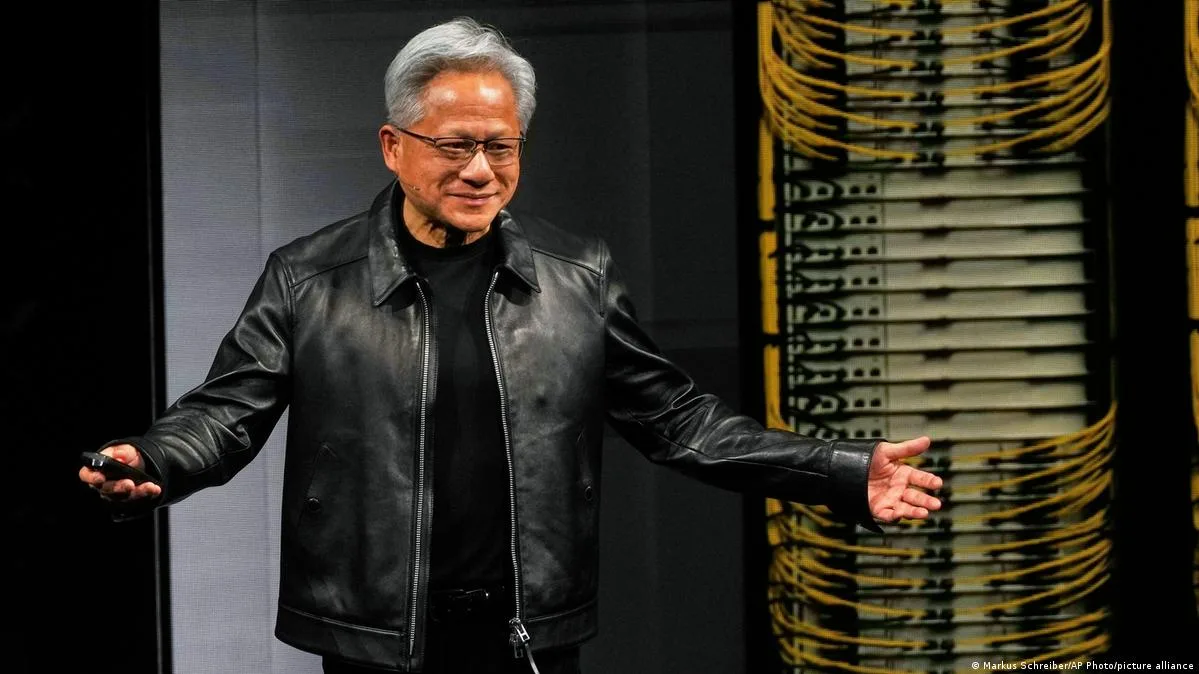
NVIDIA has confirmed that co-founder Jensen Huang has resigned as chief executive officer, president and board member, ending more than three decades of leadership at the company that became central to the global artificial intelligence industry. The company announced the departure on November 12, appointing longtime Chief Financial Officer Colette Kress as interim CEO. According to NVIDIA's regulatory filing, the board accepted Huang's resignation on November 11, effective immediately. Kress will retain her responsibilities as chief financial officer while NVIDIA searches for a permanent successor. The company said it would consider both internal and external candidates. Harvey C. Jones, a longtime board member and former Synopsys executive, has also been appointed NVIDIA's first board chair. A leadership crisis with national security implications Huang's departure follows several days of controversy involving reports about his personal relationships and potential foreign intelligence concerns. On November 8, NVIDIA's board announced an independent investigation following reports that Huang had been targeted by a foreign intelligence operation. The board stressed that it had no reason to believe national security or NVIDIA's confidential information had been compromised. Two days later, independent directors confirmed they had retained former acting U.S. Attorney Joon H. Kim and outside legal counsel to conduct the investigation. Reuters reported that the controversy involved Huang's relationship with a businesswoman suspected by U.S. authorities of connections to Chinese intelligence. Additional reports concerned relationships with NVIDIA employees. These allegations have not established that Huang disclosed confidential information or that NVIDIA's technology was compromised. NVIDIA's official resignation announcement did not identify a specific reason for his departure or announce findings from the investigation. The circumstances nevertheless raise questions about corporate governance, executive accountability and the security implications of personal relationships involving leaders of strategically important technology companies. Why Huang's departure matters for AI Huang founded NVIDIA in 1993 and led its transformation from a graphics processor manufacturer into a major supplier of the computing infrastructure used to train and operate advanced AI systems. Under his leadership, NVIDIA became an essential technology provider for cloud platforms, AI laboratories, research institutions and enterprises investing in artificial intelligence. Its GPUs, networking technologies and software ecosystem form part of the infrastructure supporting generative AI services and large-scale AI development. Huang was also deeply involved in NVIDIA's commercial strategy, relationships with technology executives and efforts to navigate increasingly complicated restrictions on semiconductor exports. His departure therefore creates uncertainty beyond the company's executive offices. NVIDIA's customers include businesses making substantial, long-term investments in AI infrastructure. Those investments depend on predictable product development, manufacturing capacity and access to increasingly powerful computing systems. The immediate question is whether the leadership transition will affect those commitments. In its announcement, NVIDIA said it expects customer operations, existing commitments and its technology roadmap to continue without interruption. That assurance is important, although continuity will ultimately depend on how successfully the company's management team handles the transition. Colette Kress takes responsibility Kress joined NVIDIA in September 2013 and has overseen its financial operations during a period of substantial expansion. Before NVIDIA, she held senior financial positions at Cisco and Microsoft. Her appointment provides the company with an experienced internal executive who understands its financial position, investor relationships and operating priorities. However, leading NVIDIA requires more than financial management. The next permanent CEO will inherit a company facing intense competition in AI hardware, growing demand for computing infrastructure and geopolitical pressure surrounding advanced semiconductor exports. Maintaining NVIDIA's technological leadership while addressing these issues will be a major responsibility for the incoming management team. What happens next? NVIDIA is scheduled to report its third-quarter fiscal 2027 financial results on November 17, providing an early opportunity for investors to assess the company's performance under its new leadership. The company has not announced when it expects to appoint a permanent CEO. The board's investigation also remains an important unresolved issue, particularly regarding whether it identifies governance failures or security concerns. For an industry increasingly dependent on NVIDIA's computing technology, the immediate priority is operational continuity. Huang's resignation closes a defining chapter in NVIDIA's history. The next question is whether the company can maintain its position at the centre of AI development without the executive who helped build it.
Frequently asked questions
Why did Jensen Huang resign from NVIDIA?
His resignation follows controversy involving reported personal relationships and potential national security concerns. NVIDIA has not officially identified the reason for his departure.
Who is NVIDIA's new CEO?
Colette Kress, NVIDIA's chief financial officer since 2013, is serving as interim CEO while the board searches for a permanent replacement.
Will Jensen Huang remain involved with NVIDIA?
Huang has also resigned from the board of directors. NVIDIA has not announced any continuing executive or advisory role for him.
Will NVIDIA's AI development be affected?
NVIDIA says its operations, customer commitments and technology roadmap will continue without interruption. The longer-term impact of the leadership transition is not yet established.