Adobe Opens Creative Cloud to AI Agents, but Is It Too Late?
By Suad Seferi ·
Key takeaways
- Adobe's new local MCP integrations for Photoshop, Illustrator, Premiere and After Effects are scheduled for private beta in early 2027, rather than being available immediately.
- Adobe is behind some competitors in opening its flagship creative applications to external AI agents, but it has already implemented MCP in other parts of its product portfolio.
- The larger competition concerns who controls the user's workflow. AI assistants could become the primary interface while established applications provide the underlying capabilities.
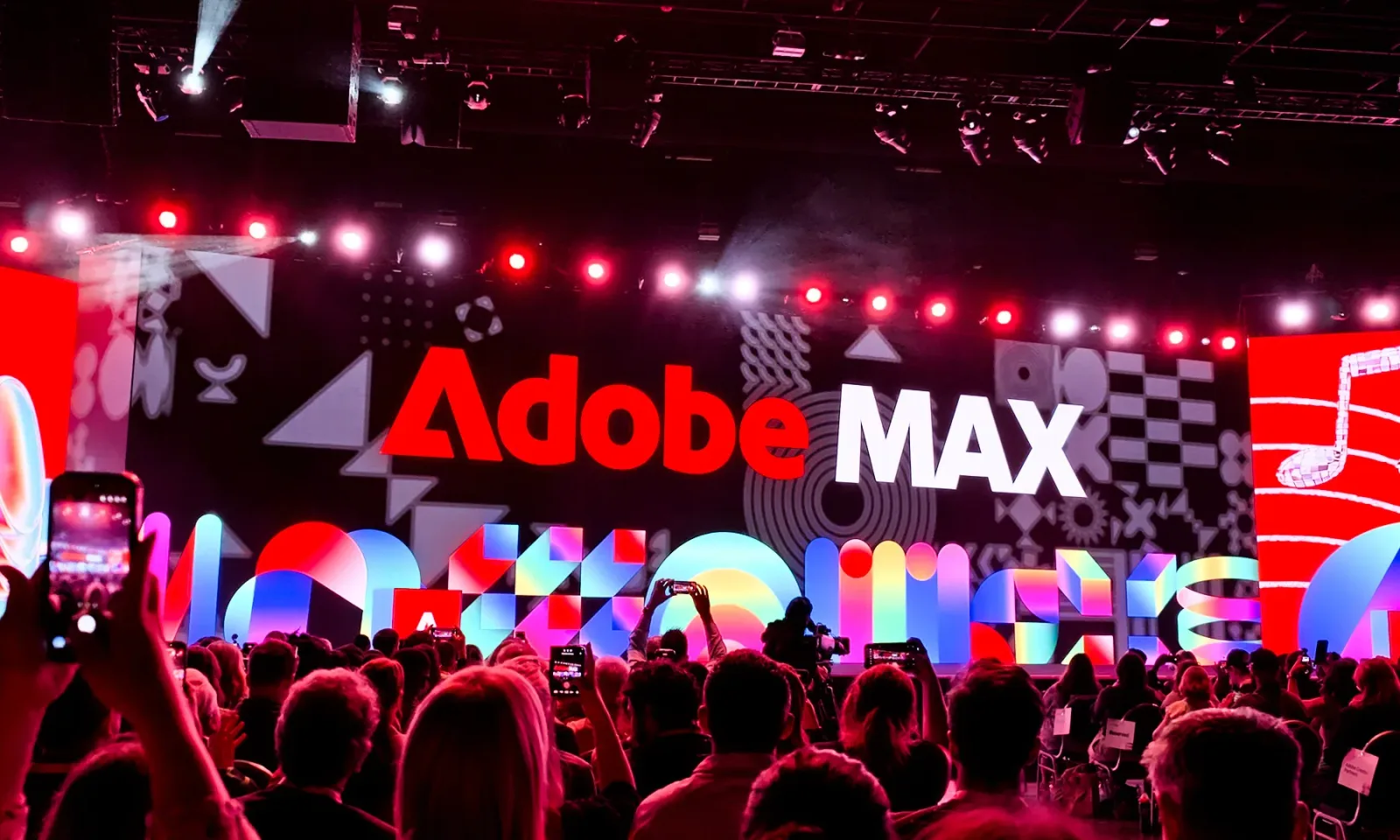
Adobe has announced plans to let third-party AI agents work directly inside Photoshop, Illustrator, Premiere and After Effects through the Model Context Protocol (MCP). The announcement, made at Adobe MAX on November 10, signals an important change in how one of the world's most established creative software companies intends to compete in the AI market. Instead of requiring professionals to use Adobe's own AI assistants, the planned integrations will allow external agents to interact with native project files, make edits and preserve elements such as layers, sequences and compositions. There is one important limitation. Adobe's local Creative Cloud MCP integrations are still in preview, with a private beta scheduled for early 2027. That raises a larger question: has Adobe arrived late to a market where competitors are already allowing AI agents to operate their software? Adobe is changing how its software can be used For decades, professional creative software has depended on users learning increasingly sophisticated interfaces. Photoshop, Illustrator and Premiere became industry standards partly because of the depth and precision of their tools. AI agents introduce a different way of working. A designer could eventually ask an external assistant to adjust a Photoshop composition, prepare variations of an Illustrator design or modify elements of a Premiere timeline without manually navigating every menu. The distinction is technical but important. Generating an image with AI is different from giving an AI agent controlled access to an existing professional project. A generated image may be visually convincing, but it does not necessarily preserve the editable structure that designers, editors and production teams depend on. Adobe's proposed MCP integrations address that problem by allowing agents to operate within the applications where professional work already happens. If implemented reliably, this could make Adobe's existing tools more valuable, even as users spend less time interacting directly with their interfaces. Is Adobe late to MCP? In one important respect, yes. Anthropic introduced MCP in November 2024 as an open standard for connecting AI systems to external tools and data sources. Since then, the protocol has developed into a widely adopted approach to AI interoperability. By the time Adobe announced its new Creative Cloud integrations, several major software companies had already introduced MCP capabilities. Canva launched an MCP server for developers in April 2025 and subsequently expanded its capabilities. In October 2026, Canva made its remote MCP server available for developers to connect AI assistants to design creation, editing, asset management and export functions. Figma has also developed an MCP server that gives AI agents access to design information and supports writing native content back to its design canvas. GitHub introduced its official MCP server in public preview in April 2025, followed by general availability of its remote server in September that year. Adobe's professional Creative Cloud integrations are therefore arriving after important competitors have already moved beyond initial MCP experimentation. However, describing Adobe as simply late would overlook its existing work. Adobe introduced an MCP server for Express add-on developers before this announcement. It has also developed MCP capabilities across products including Analytics, Workfront and its enterprise customer experience systems. The November announcement represents an expansion into Adobe's flagship professional creative applications, rather than the company's first adoption of the protocol. The more relevant criticism is that Adobe has taken longer to open some of its most important desktop applications to external agents. What about Microsoft, Google and other technology giants? The evidence does not support the argument that all established technology companies are falling behind. Microsoft has been developing MCP capabilities across GitHub, Copilot and its enterprise administration systems. Its approach increasingly focuses on authentication, access controls, governance and the management of external agent connections. Google has also invested in MCP infrastructure, including developer documentation services, cloud integrations and protocol development. In August 2026, Google described its work on improving MCP's ability to operate at cloud scale. These companies are pursuing different priorities. Microsoft's strongest opportunity lies in connecting agents to enterprise productivity systems, identity management and organizational data. Google is positioned across cloud infrastructure, development platforms, search and AI services. Canva and Figma are competing more directly over how AI agents create, modify and manage design assets. Adobe has a different advantage: established professional applications, sophisticated editing capabilities and native file formats used throughout creative production. Consequently, the competitive question is not simply which company introduced an MCP server first. It is which company can expose the most useful capabilities to external agents while preserving reliability, permissions and professional control. The bigger threat to Adobe is losing the user interface Adobe's announcement reflects a potentially uncomfortable reality for established software vendors. AI assistants are increasingly becoming the place where users initiate work. A professional might begin a task in ChatGPT, Claude or another agent rather than opening Photoshop or Premiere first. The agent could then select the appropriate tools, execute operations and return the result. In this model, the underlying software remains essential, but its interface becomes less central to the user's workflow. That creates a strategic risk. For years, software companies competed through features, interface design, proprietary ecosystems and user familiarity. Agent-based workflows could weaken some o…
Frequently asked questions
What is Adobe's new MCP integration?
It is a planned connection that allows compatible third-party AI agents to perform operations in Adobe's professional creative applications while preserving editable project files.
Is Adobe late to MCP?
Adobe already supports MCP in several products, but its planned integrations for flagship Creative Cloud desktop applications follow earlier developments from competitors including Canva and Figma.
Are Microsoft and Google behind in MCP adoption?
No. Both companies have invested in MCP capabilities and infrastructure, although their priorities differ from Adobe's creative software focus.
When will Adobe's Creative Cloud MCP integrations become available?
Adobe has announced a private beta for early 2027. It has not confirmed a general availability date.