Serbia Taps Kai-Fu Lee on AI Transformation
By Suad Seferi ·
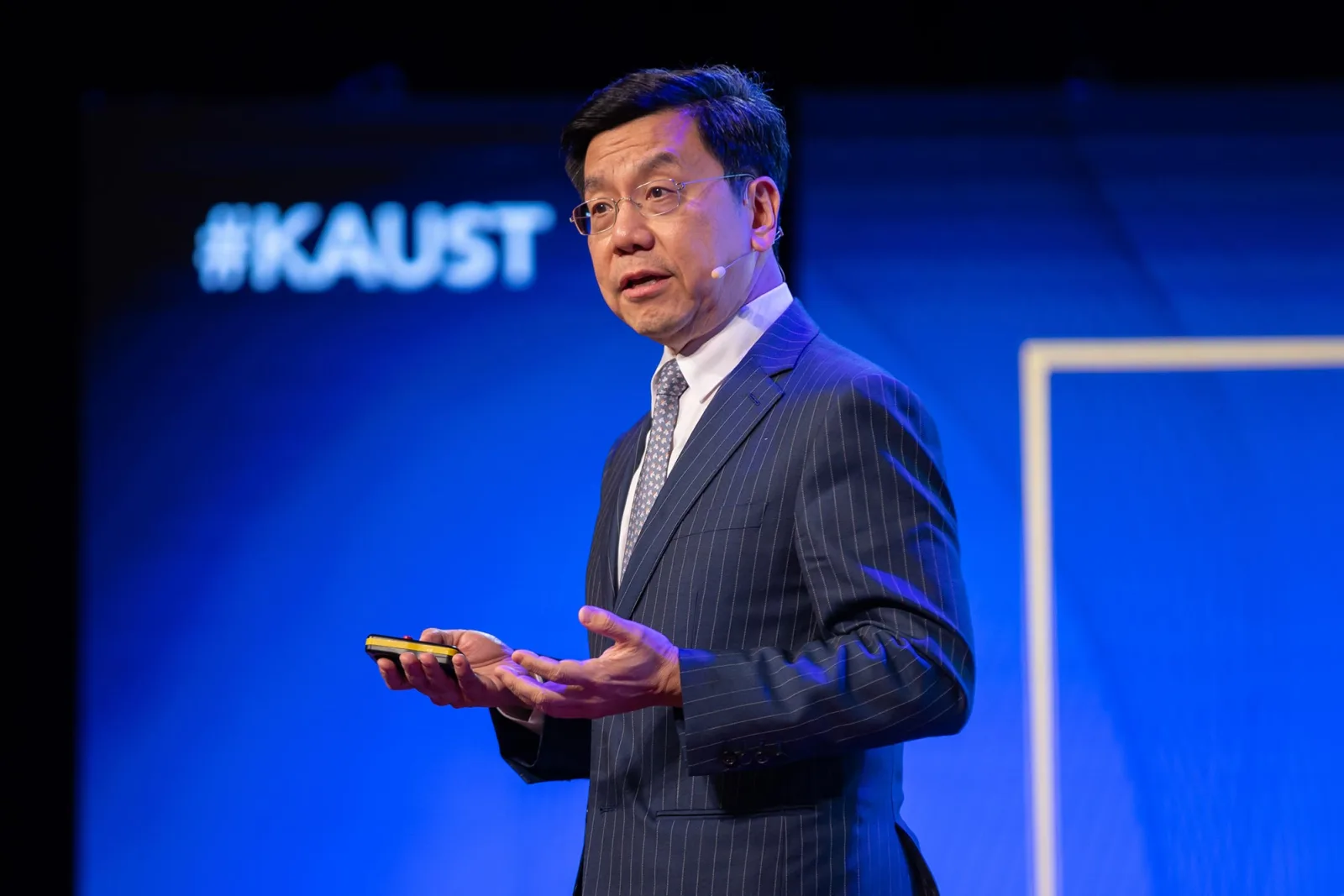
Serbia has placed artificial intelligence high on its national development agenda, with President Aleksandar Vučić meeting Chinese AI expert Kai-Fu Lee in Belgrade to discuss how the technology is reshaping economies, education, healthcare, industry and public services. The meeting signals Serbia’s growing interest in artificial intelligence not only as a technology trend, but as a strategic tool for modernization. AI is increasingly seen as a force that can change how governments provide services, how companies compete and how education systems prepare young people for future jobs. Kai-Fu Lee is one of the most recognized global figures in artificial intelligence, known for his work in technology, investment and AI development. His visit to Serbia comes at a time when the country is trying to strengthen its digital infrastructure, attract international knowledge and position itself more seriously in the global AI race. According to the public message after the meeting, the conversation focused on the way artificial intelligence is transforming key sectors of society. In the economy, AI can help companies automate processes, analyze data faster and improve productivity. In industry, it can support smarter production, predictive maintenance and better supply-chain management. In healthcare, it can assist doctors with diagnostics, patient data analysis and research. In education, it can change how students learn and how teachers personalize lessons. For Serbia, the most important question is how to turn these possibilities into practical benefits. The country has a strong IT sector and a growing number of technology professionals, but AI development also requires infrastructure, investment, data access, regulation and specialized education. Meetings with international experts can help Serbia understand what steps are needed to avoid falling behind larger markets. The discussion also points to the importance of public-sector modernization. Artificial intelligence could help governments process information faster, reduce administrative delays and improve services for citizens. However, such use must be carefully managed because public institutions handle sensitive data and decisions that affect people’s rights. That is why Serbia’s AI strategy cannot depend only on technology. It must also include ethical rules, transparency, cybersecurity and protection of citizens. If AI is used in public services, citizens need to know when automated systems are involved, how decisions are made and who is responsible if mistakes happen. The meeting with Kai-Fu Lee also has a wider geopolitical and economic meaning. Countries around the world are competing to attract AI investment, talent and partnerships. Serbia is trying to show that it wants to be part of that global conversation and not only a consumer of imported technology. For Serbian businesses, the message is clear: artificial intelligence is becoming a serious economic factor. Companies that learn how to use AI responsibly may become more competitive, while those that ignore it may struggle to keep up. This applies not only to software firms, but also to manufacturing, logistics, finance, media, education and healthcare. The next challenge for Serbia will be turning high-level discussions into concrete programs. That means investing in AI education, supporting startups, improving access to computing resources and helping companies adopt AI tools safely. It also means preparing public institutions to use technology in a way that is efficient but accountable. The meeting with Kai-Fu Lee shows that Serbia wants to be active in shaping its AI future. Whether that ambition becomes reality will depend on how quickly the country can combine expertise, infrastructure, regulation and real implementation across the economy and public sector.