Kosovo Looks to AI to Promote Tourism
By Suad Seferi ·
Key takeaways
- Kosovo launched the RE: TOURISM concept on September 25, focused on AI and digitalisation in tourism promotion.
- The initiative is connected to Kosovo’s broader Tourism Strategy 2030.
- No specific AI product or platform has yet been announced, so the development is currently a strategic direction rather than a deployed system.
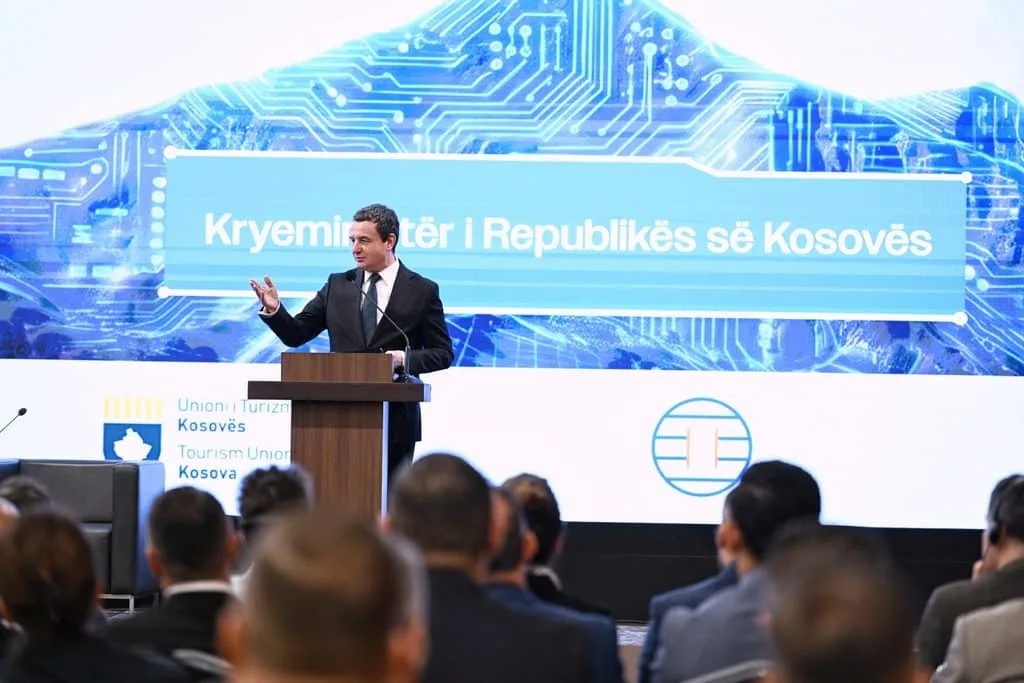
Kosovo is looking to artificial intelligence and digital tools as part of a new effort to rethink how the country promotes itself as a tourism destination. The government used this year’s World Tourism Day conference in Pristina to launch the concept “RE: TOURISM – AI in the promotion of tourism in Kosovo”, bringing artificial intelligence directly into discussions about the country’s tourism strategy. The conference was organised by Kosovo’s Ministry of Culture and Tourism on September 25 and opened by Prime Minister Albin Kurti. According to the government, the idea is to connect Kosovo’s tourism potential with digitalisation and AI as the way people search for information, plan trips and choose destinations increasingly changes. The initiative is also linked to the broader international theme promoted by UN Tourism around the use of digital technologies and artificial intelligence in redesigning tourism. AI enters Kosovo's tourism strategy Kosovo has been trying to position tourism as a larger part of its economic development. Kurti said visitor numbers have grown by an average of around 20% annually over the past four years and pointed to the country's Tourism Strategy 2030 as the framework for expanding the sector. The figure was presented by the government at the conference. The new RE: TOURISM concept adds technology to that strategy. The government has not yet announced a specific AI platform, application or procurement programme connected to the initiative. Instead, the conference focused on how digitalisation and AI could change the way Kosovo presents destinations and reaches international visitors. That distinction matters. For now, this is a policy and promotion direction rather than the launch of a finished AI product. Potential applications could eventually include how tourism information is organised and delivered, multilingual visitor services, digital destination discovery and more personalised promotion. The government announcement itself, however, does not specify which AI systems will be deployed. Tourism becomes another regional AI use case Tourism is becoming an increasingly relevant AI use case for the Western Balkans. Unlike sectors that require large computing infrastructure or advanced AI research, tourism offers countries in the region a more immediate opportunity to use existing technologies in areas such as translation, visitor information, recommendations, marketing and service delivery. That makes the sector particularly relevant for smaller economies where tourism already contributes directly to local businesses and employment. Kosovo's government has also linked tourism development with employment opportunities, particularly for young people and women, while calling for cooperation between public institutions, municipalities, businesses, local communities and the diaspora. The country's diaspora already plays an important role in bringing visitors and investment into Kosovo, another factor the government highlighted during the conference. From promotion to implementation The next question is what RE: TOURISM becomes in practice. Kosovo now has a stated direction linking AI and digitalisation with its Tourism Strategy 2030, but the practical impact will depend on whether that direction produces actual tools, datasets, partnerships or public services. For AI Balkans, that will be the part worth watching. The use of AI in regional tourism will matter less as a marketing theme than as a test of whether governments and businesses can turn widely available AI technologies into services that visitors genuinely use.