UN Calls for Ban on Autonomous AI Weapons
By Suad Seferi ·
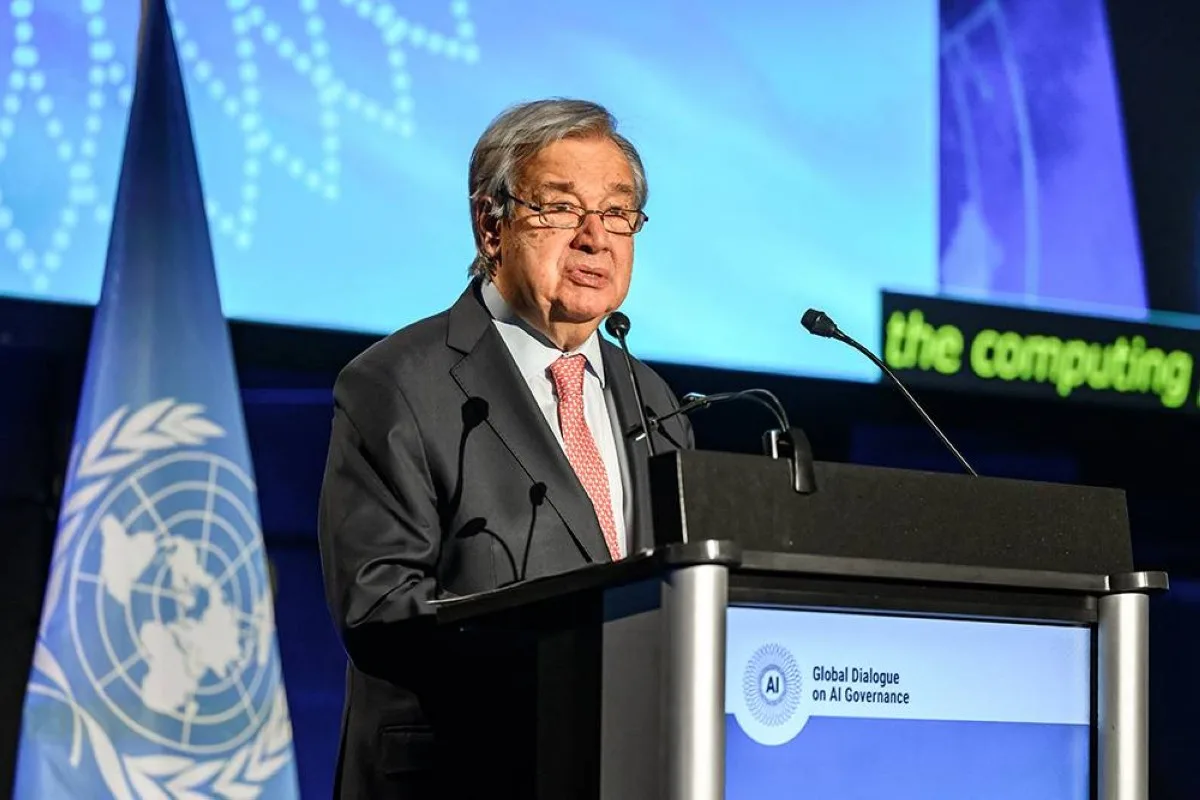
The United Nations has renewed its call for a global ban on lethal autonomous weapons, warning that artificial intelligence must not be allowed to decide who lives and who dies. UN Secretary-General António Guterres said systems capable of selecting and attacking targets without meaningful human control should be prohibited through a legally binding international treaty. His message comes as governments face growing pressure to define clear limits for the military use of AI. Autonomous weapons, often described as “killer robots,” are no longer a distant policy debate. AI is already being used in surveillance, targeting support, drone systems, battlefield analysis, and military decision-making. The concern is not only whether these systems can be accurate, but whether they should ever be given authority over lethal force. For the UN, the answer is clear: human judgment must remain central in any decision to use deadly force. The debate is becoming more urgent as artificial intelligence moves faster than international regulation. Humanitarian groups and arms-control advocates have warned that without binding rules, countries could enter a new arms race built around increasingly autonomous military systems. The legal question is equally serious. If an AI-enabled weapon makes a fatal mistake, responsibility becomes difficult to assign. Is the commander accountable? The state? The developer? The company that trained the model? Existing laws were not designed for systems that can act with high levels of autonomy. For Europe and the Western Balkans, this is not a remote issue. Countries in the region are aligning their digital and security policies with European and international frameworks. Any future treaty on autonomous weapons would shape defense policy, AI governance, procurement standards, and public debate across the region. The UN’s position puts one principle at the center of global AI regulation: machines may assist human decisions, but they must not replace human responsibility. As AI becomes part of modern warfare, the question is no longer whether governments will use it. The question is where the world draws the line.