Türkiye’s AI Action Plan Shows What the Balkans Are Missing
By Suad Seferi ·
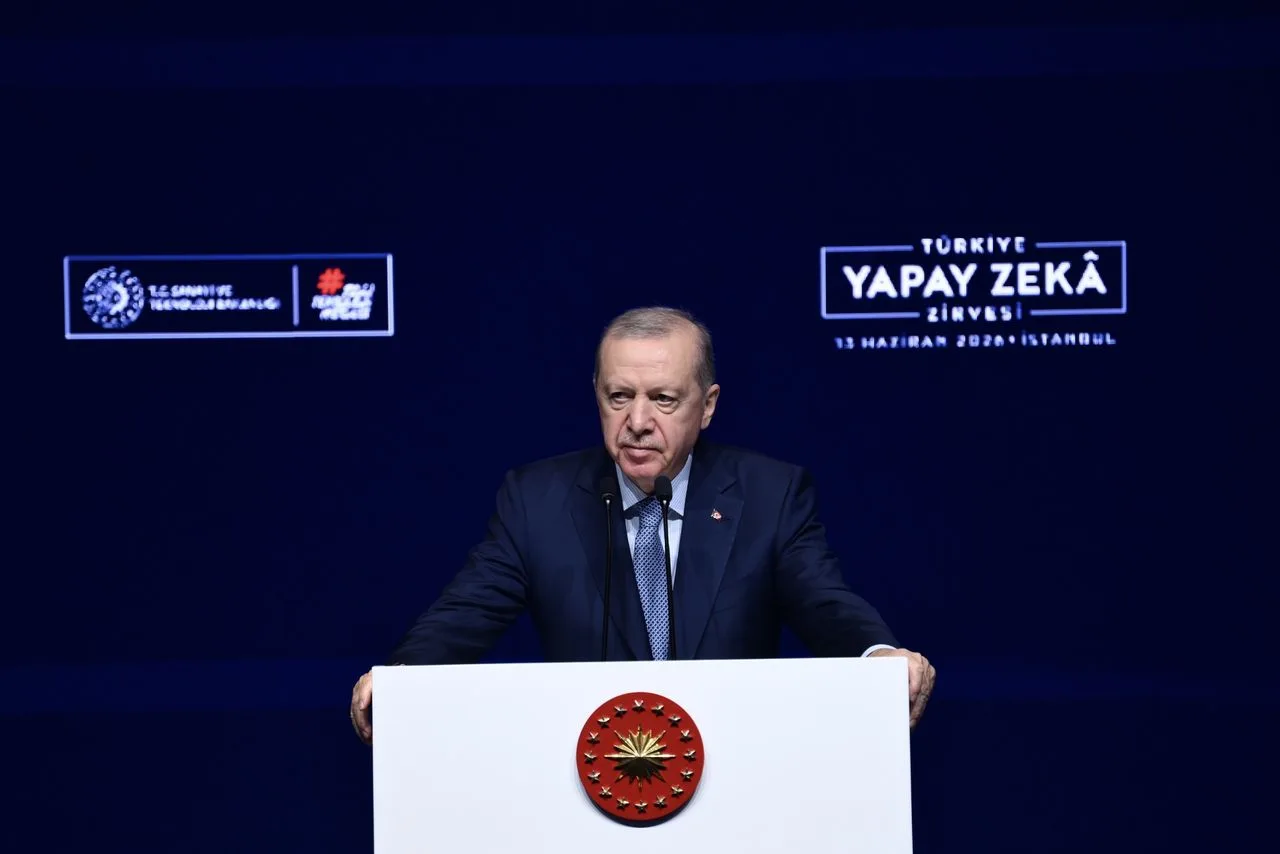
ISTANBUL — Türkiye has put artificial intelligence at the center of its next digital development phase, unveiling a 2026–2030 AI Vision and Action Plan that links the technology to infrastructure, public investment, skills, governance and national competitiveness. The plan, announced at the Türkiye Artificial Intelligence Summit in Istanbul, includes a target to mobilize at least $10 billion, mainly from the private sector, for data centers, cloud computing and AI infrastructure. President Recep Tayyip Erdoğan also said Türkiye aims to increase its installed data center capacity to at least 1 gigawatt by 2030 and allocate at least 2 percent of public investment programs to artificial intelligence projects. For the Western Balkans, the announcement matters for a simple reason: it shows that AI policy is moving beyond strategies and pilot projects. Türkiye is treating AI as infrastructure, industrial policy and public-sector reform at the same time. That is a different level of ambition from most of Southeast Europe. Across the Western Balkans, governments are beginning to talk more seriously about artificial intelligence. Serbia has adopted a new AI strategy for 2025–2030. Montenegro is preparing its own national AI strategy. North Macedonia has placed AI inside its broader digital transformation agenda and signed the Council of Europe’s AI Convention. Albania has experimented with AI in public services through the e-Albania platform. But Türkiye’s plan shows the gap between adopting AI language and building an AI ecosystem. The most important part of the Turkish roadmap is not the announcement itself. It is the connection between compute, investment, skills and governance. Countries that want to use AI seriously need more than chatbots and public statements. They need data infrastructure, cloud capacity, trained professionals, procurement rules, sectoral adoption and trusted public institutions. Türkiye’s plan also includes a national AI literacy program, with the stated goal of helping citizens understand AI and use it safely. That detail matters because AI adoption is no longer only a technical issue. It is becoming a public capability. If citizens, civil servants, teachers and businesses do not understand the technology, adoption will remain shallow and risky. For smaller Balkan states, this is one of the clearest lessons. The region often starts with strategy documents but struggles with implementation. AI policy cannot remain a PDF exercise. It must translate into budgets, training programs, procurement standards and practical tools that institutions can actually use. The second lesson is infrastructure. AI systems depend on computing power, secure data environments and cloud services. Without these foundations, countries become dependent on foreign platforms, external vendors and imported systems they may not fully control. This is especially important for governments. Public-sector AI systems may process sensitive administrative, legal, health, education or procurement data. If states do not build clear rules and secure infrastructure, the risk is not only technological. It becomes institutional. Türkiye is also positioning Istanbul as an AI investment hub, which adds a geopolitical layer to the plan. In a region where the European Union, Gulf states, China, the United States and Türkiye all compete for influence, AI infrastructure is becoming part of economic diplomacy. For the Western Balkans, that creates both opportunity and pressure. Countries in the region do not need to copy Türkiye’s scale. North Macedonia, Montenegro, Kosovo or Bosnia and Herzegovina cannot realistically match a $10 billion infrastructure target. But they can learn from the structure of the approach. A serious AI agenda should answer five questions. Who is responsible for national AI coordination? How will public institutions use AI safely? What infrastructure is needed for local innovation? How will civil servants, teachers and businesses be trained? And how will AI governance align with European rules? These questions are now urgent because AI adoption is already happening informally. Public employees use generative AI tools to draft documents, translate texts, summarize reports and prepare communication materials. Businesses use AI for marketing, customer support, software development and analytics. Students use it for learning and assignments. The technology is moving faster than regulation. That is why Türkiye’s action plan is relevant beyond its borders. It shows that the next stage of AI competition will not be measured only by who launches the most visible tools. It will be measured by who builds the strongest foundations. The Western Balkans still has time to move early. Serbia has already built a stronger AI policy base than most of its neighbours. Montenegro is preparing a dedicated strategy. North Macedonia has an opportunity to connect AI governance with its digital transformation agenda before adoption becomes fragmented. Kosovo and Albania can build on their digital public-service platforms if they strengthen oversight and accountability. But the region needs to avoid treating AI as another public-relations cycle. The countries that benefit most from AI will be those that connect policy with implementation. That means investing in people, infrastructure, institutional rules and public trust. Türkiye’s plan is not a model that every Balkan country can replicate. It is a signal of where the AI race is moving. The message for the Western Balkans is clear: the future of AI will not be won by announcements alone. It will be won by countries that prepare their institutions, train their people and build the infrastructure needed to use the technology responsibly.