Kosovo to Make Its Debut at the International AI Olympiad
By Suad Seferi ·
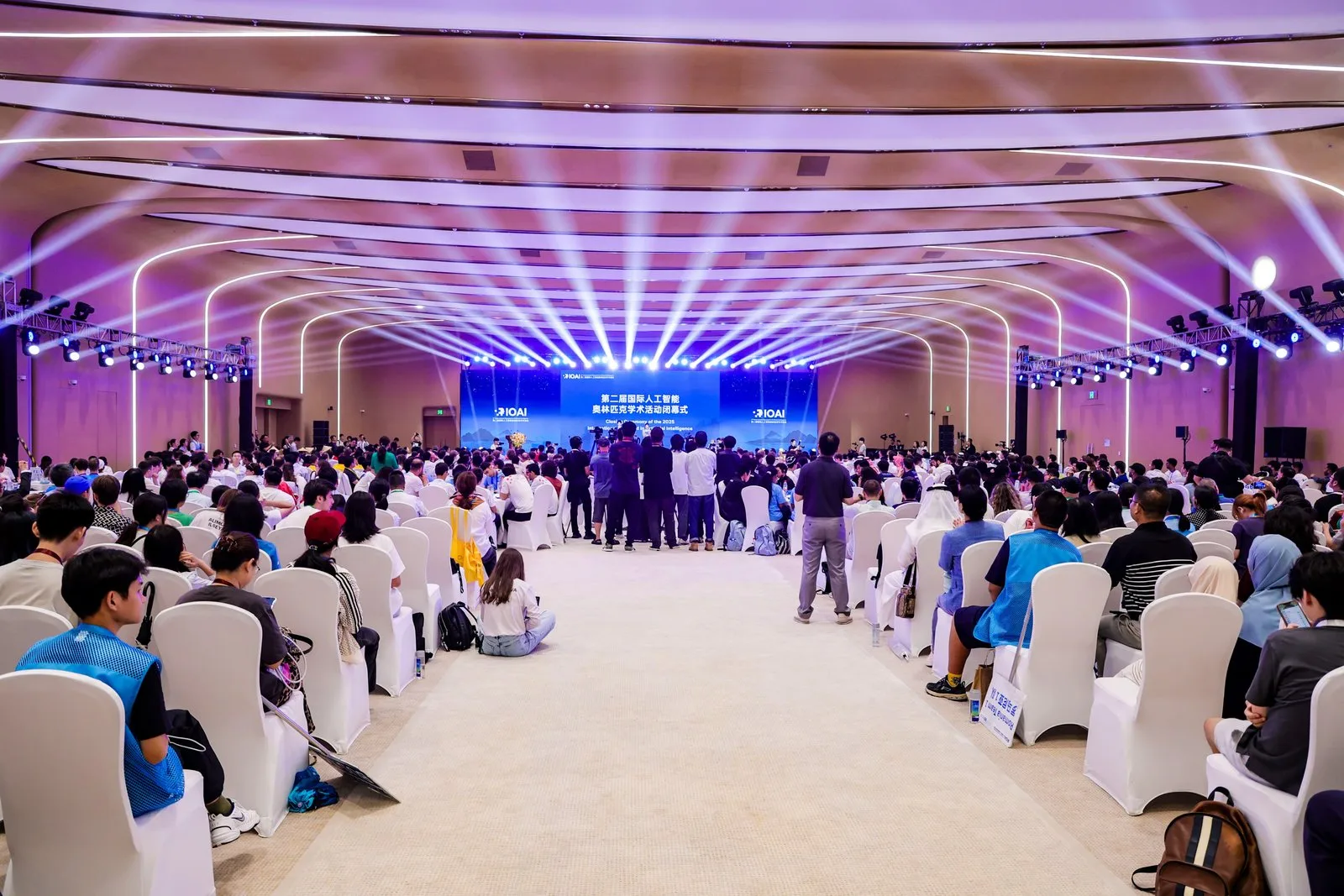
Kosovo will participate in the International Olympiad in Artificial Intelligence for the first time, sending a team of four students to compete in Astana, Kazakhstan, from August 2 to 8. The team consists of Vesa Greiçevci, Parid Haxholli, Enesa Kiçmari and Entela Mirena, according to a report published by Bota Sot. Professor Fiton Hoxha will lead the delegation. Their participation places Kosovo among 103 countries and territories registered for this year’s competition, which has attracted more than 120 teams. The figure represents a considerable expansion for an event that held its first edition in Bulgaria only two years ago. The International Olympiad in Artificial Intelligence confirmed that participants qualify through national selection processes and compete as official teams representing their countries or territories. For Kosovo, the debut carries significance beyond the competition itself. Kazakhstan does not recognise Kosovo’s independence, while Kosovo is not a member of UNESCO, which has granted its patronage to this year’s Olympiad. Despite that political background, the Kosovo team is expected to participate alongside delegations from around the world. The competition is designed for secondary-school students and combines theoretical knowledge with practical work in artificial intelligence. Participants face individual tasks involving machine learning, data analysis and problem-solving, alongside a team challenge. This year’s team competition begins with an online preparation phase before moving to simulation rounds and live robot finals in Astana. The strongest teams will be asked to apply AI methods in a practical robotics setting rather than simply answer questions about the technology. The format reflects a broader change in how countries are approaching AI education. Artificial intelligence is increasingly becoming a competitive academic discipline, similar to mathematics, physics and informatics, with national selection programmes and international competitions now emerging around it. For smaller countries, these events offer more than medals. They give students access to international networks, advanced learning opportunities and contact with peers working on similar technical problems. Kosovo has already built experience in international mathematics and informatics competitions. Members of its AI team have previously appeared in other academic contests. Haxholli represented Kosovo at the International Mathematical Olympiad in 2025, while Mirena has competed for Kosovo at European mathematics and informatics olympiads. That background suggests the delegation is drawing from an existing community of students with strong foundations in mathematics, programming and logical reasoning. However, participating in an international competition is only one part of developing AI talent. The longer-term question is whether schools, universities and public institutions across Kosovo can create continuous opportunities for students interested in the field. Much of the current AI education debate in the Balkans still revolves around whether students should be allowed to use tools such as ChatGPT. Competitions such as the IOAI move the discussion further, towards understanding how AI systems work, how models are evaluated and how students can build with the technology rather than simply consume it. The official organisers describe accessibility as one of the priorities for the 2026 edition. Forty participating countries and territories will receive financial assistance, more than twice the number supported in the previous competition. IOAI 2025 < from their archive Google, Huawei, Jane Street, IMC, DeepInfra and other technology companies are listed among the international sponsors. Kosovo’s first appearance will therefore be both a competition and an early test of how the country can position its young talent within the growing international AI education community. IOAI 2025 < from their archive The results will be decided in Astana in August. What matters afterward is whether this first delegation becomes the beginning of a permanent national pathway for students interested in artificial intelligence.