US Oversight Begins to Shape Frontier AI Model Releases
By Suad Seferi ·
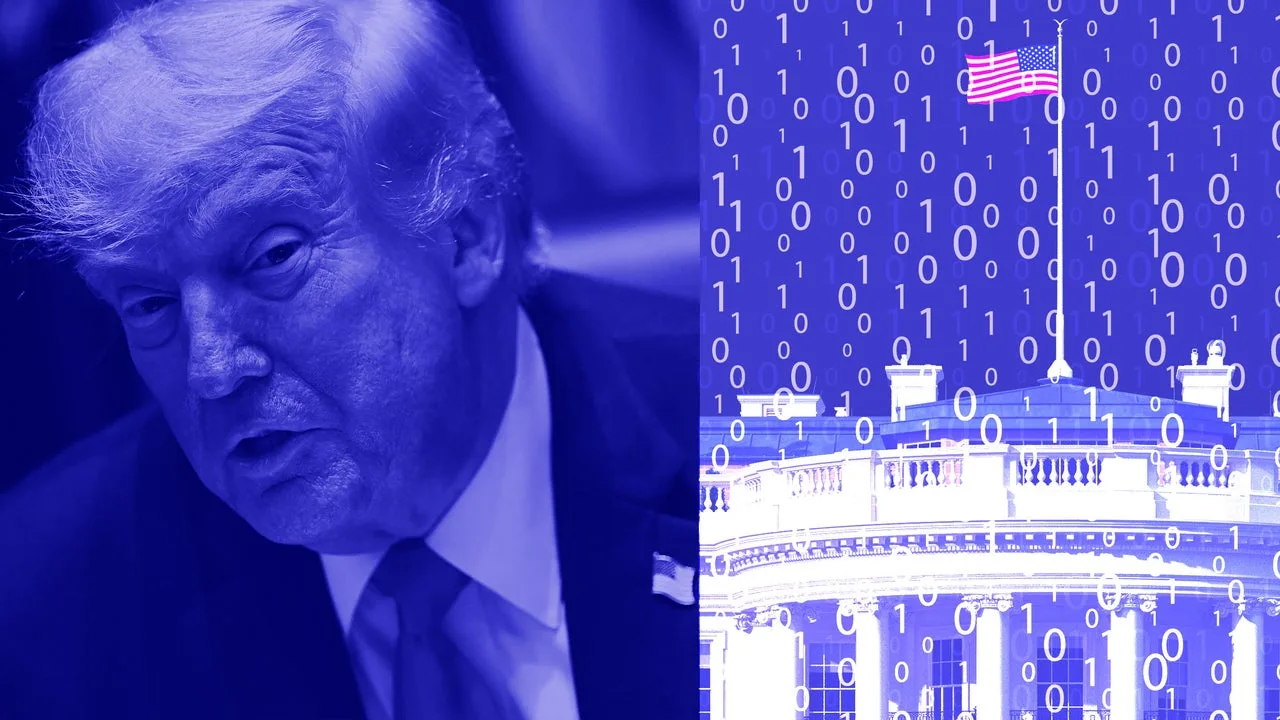
The release of advanced artificial intelligence models is no longer only a product decision. It is becoming a geopolitical and security decision. OpenAI and Anthropic have limited access to their latest advanced AI systems during a U.S. cybersecurity review, according to recent reports. The move marks a major shift in the way frontier AI models are being released, tested, and controlled. Instead of launching powerful models broadly to developers, companies, and paying users, access is being restricted to a smaller group of approved customers during the review period. The decision reflects growing concern in Washington that the most advanced AI systems could create new risks in cybersecurity, infrastructure, military use, and national security. Why this matters For years, AI companies competed by releasing more powerful systems faster. The model race was about benchmarks, reasoning, coding, multimodal ability, speed, and enterprise adoption. Now, the question is changing. The issue is no longer only which company has the strongest model. It is also who is allowed to access it, under what conditions, and with what level of government oversight. This matters because frontier AI models are increasingly capable of supporting complex technical work. That includes software development, cyber defense, vulnerability analysis, automation, research, and potentially harmful misuse if safeguards fail. Governments are now paying closer attention to the gap between open innovation and national security. OpenAI and Anthropic are not isolated cases The current situation affects two of the most important AI companies in the world. OpenAI’s latest model rollout has been staggered after a request from the U.S. administration. Anthropic has also faced restrictions around access to advanced models, with some limited access restored for selected U.S. organizations linked to critical infrastructure. This shows that AI governance is moving from abstract policy discussions into operational control. In practice, this means governments may begin influencing when powerful AI models launch, who receives early access, which countries are included, and which use cases are considered acceptable. A new model of AI access The most important question is whether this becomes normal. If frontier AI models are increasingly released first to approved partners, government-linked customers, or verified organizations, the global AI market may become more tiered. Large U.S. companies, defense-linked organizations, and trusted enterprise customers may receive access earlier. Smaller companies, international developers, researchers, civil society organizations, and users outside major markets may wait longer. That could create a new form of AI inequality. The most capable systems may not be distributed only by subscription price, but also by geography, trust status, regulatory approval, and national security policy. What it means for Europe and the Balkans For Europe, this development will strengthen the debate around AI sovereignty. If the most advanced systems are controlled through U.S. security processes, European institutions and companies may push harder for domestic AI infrastructure, independent model development, and clearer access rules. For the Balkans, the issue is even more practical. Most countries in the region are not building frontier AI models. They depend on tools from OpenAI, Anthropic, Google, Microsoft, Meta, and other global companies. If access to advanced models becomes more restricted, Balkan developers, startups, universities, media organizations, and public institutions may receive capabilities later than larger markets. This could affect AI adoption in business, education, cybersecurity, public services, and research. The core tension The central tension is clear. On one side, powerful AI systems can help defenders, researchers, companies, and public institutions solve real problems. Limiting access too much could slow innovation and reduce the ability of smaller actors to benefit from AI. On the other side, advanced AI models may increase security risks if they can be used to automate cyber abuse, manipulate information, or support harmful technical activity. The debate is not simply open access versus restriction. The real challenge is building a release system that protects security without concentrating AI power in the hands of only a few approved actors. What to watch next The next important signal will be whether these restrictions are temporary or become a regular part of frontier AI releases. If the process remains limited to cybersecurity review, it may become a new safety layer before broader release. If it expands, it could change the entire AI market. Companies, developers, and institutions outside the United States should watch closely. The future of AI access may depend not only on technical capability, but also on policy approval, national alignment, and trusted-user frameworks. For AI users in the Balkans, the message is simple: global AI policy is no longer distant. It will shape which tools are available, when they arrive, and who gets to use the most powerful versions first.